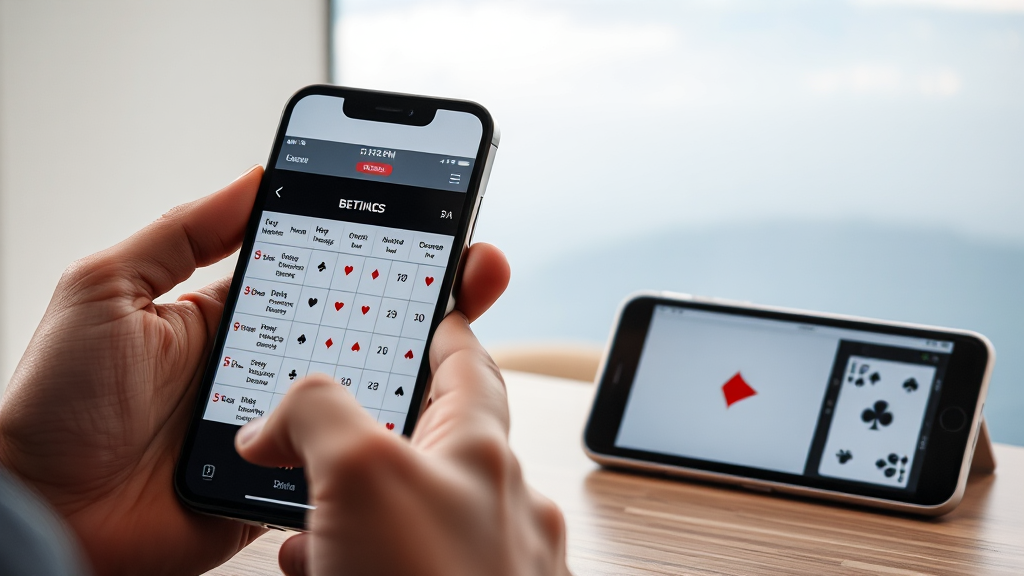
Rummy Skill Hub: A Practical Guide to Comparing Mobile Rummy Apps
If you have ever tried to choose a rummy app, you already know the problem: every listing promises big bonuses, smooth withdrawals, and a better table experience, but the details are scattered across screenshots, app stores, and outdated blog posts. A Rummy Skill Hub solves that problem by putting the important comparisons in one phone-friendly place. Instead of downloading five apps to see which one fits your routine, you can review bonuses, withdrawal notes, and Android installation information side by side before you commit to anything.
This guide explains what a skill-focused rummy hub actually does, how to read the information it presents, and how to use it responsibly. The goal is simple: help you make a calm, informed decision from your phone rather than an impulsive one.
What a Rummy Skill Hub Actually Is
The phrase can sound abstract, so let us make it concrete. A rummy skill hub is a directory and comparison resource built around the skills involved in rummy: hand reading, card sequencing, probability awareness, and the discipline to fold when the math says so. Instead of treating rummy as pure luck, a good hub treats it as a skill activity and organizes information accordingly.
In practice, that means the hub collects app listings, bonus structures, withdrawal details, and installation notes into a single mobile-first layout. You are not asked to read a 3,000-word essay before finding a download link. You are shown a comparison table or a set of summary cards, and you decide what matters to you.
Play Rummy Lane is a good example of this format. It is a phone-first directory that helps users compare rummy apps on mobile, review bonus and withdrawal details, and check Android installation information before visiting third-party destinations. The site keeps its sections tight: apps, blog, about, contact, privacy, and terms. That structure matters because it tells you the hub is a reference point, not a game itself.
Why Mobile-First Comparison Changes Your Decision
Most rummy players in 2024 and 2025 are on Android phones, not desktops. A comparison site that was designed for a laptop screen often breaks on mobile: tables overflow, buttons are too small, and the bonus details get cut off. A mobile-first hub avoids that by default.
When the layout is built for a phone, three things improve:
- Readability: Bonus amounts, withdrawal timelines, and minimum thresholds are visible without pinch-zooming.
- Speed: You can check a detail in 20 seconds while standing in line, not after loading four tabs.
- Decision quality: You compare like-for-like instead of relying on memory.
This is not a small convenience. Rummy app bonuses often carry conditions such as playthrough requirements, expiry windows, or limits on which tables count. If you cannot see those conditions clearly, you cannot compare offers fairly. A mobile-first hub puts those conditions where you can actually read them.
How to Read Bonus and Withdrawal Details Without Getting Fooled
Bonus numbers are the loudest part of any rummy listing, and they are also the easiest to misread. A hub helps because it usually presents bonuses alongside withdrawal information, which is the part that determines whether the bonus is actually useful.
Here is a practical checklist you can apply to any listing you see on a comparison hub:
- Check the playthrough requirement. A large bonus with a heavy playthrough is not the same as a smaller bonus with a light one.
- Look at the expiry window. A bonus that expires in 7 days is very different from one that lasts 30 days.
- Read the withdrawal minimum. If the minimum withdrawal is high, a small bonus may not be reachable in practice.
- Check the withdrawal timeline. Some apps process withdrawals in hours, others in several business days.
- Confirm which games count. Some bonuses only apply to specific table types or stakes.
A hub that shows these five fields side by side is doing real work for you. A hub that only shows the headline bonus number is not.
Android Installation: The Step Most Guides Skip
Installation is where a lot of mobile rummy confusion happens. Some apps are distributed through the Google Play Store, some through direct APK downloads, and some through a mix of both. A good hub tells you which path applies before you tap anything.
When you check Android installation information on a comparison site, look for these details:
- Source: Is the app on the Play Store, or is it a direct download?
- Android version: Does the app require a newer version of Android than your phone runs?
- Storage: How much space does the install need, including updates?
- Permissions: What does the app ask for, and does that match what a card game should need?
- Update path: How will you receive future updates?
If a hub lists these details, you can avoid the most common frustration: installing an app only to find it will not run on your device or will not update cleanly. This is exactly the kind of practical information a skill-focused hub should prioritize over marketing language.
Building Your Own Comparison Routine
Once you understand what a hub offers, you can build a short routine that keeps your decisions consistent. Try this approach the next time you compare rummy apps:
- Write down your priorities first. For example: fast withdrawals, low minimum deposit, or a clean interface. Do this before you look at any listing.
- Compare no more than three apps at a time. More than three and the details blur together.
- Score each app on your priorities, not on the biggest bonus. A bonus you cannot withdraw is not a bonus.
- Re-check the withdrawal section after 24 hours. If you still like the app the next day, that is a better signal than initial excitement.
- Set a budget before you play. Treat it as a fixed entertainment cost, not a variable one.
This routine works because it separates the marketing layer from the practical layer. A hub gives you the raw comparison data; your routine tells you what to do with it.
Responsible Play and the 18+ Reminder
Any serious rummy resource should be clear about responsibility. Rummy involves money, and money decisions deserve a clear head. A hub that notes responsible play for adults 18+ is setting the right expectation from the start.
Three simple habits make a real difference:
- Set a time limit. Decide how long you will play before you open the app.
- Set a spending limit. Decide the maximum you are willing to spend, and stop when you reach it.
- Take breaks. Fatigue affects decision-making more than most players realize.
If you ever feel that play is becoming a chore rather than a hobby, step away. A good hub will not push you to keep playing; it will give you the information you need and let you decide.
What to Look for in Any Rummy Comparison Site
Not every directory is equally useful. When you evaluate a comparison site, check whether it includes these elements:
- Clear app listings with bonus and withdrawal fields shown together
- Android installation notes that mention source and version requirements
- A blog or guide section that explains terms rather than only promoting apps
- Contact and about pages so you know who runs the site
- Privacy and terms pages for transparency
- A responsible play note for adults 18+
If a site has most of these, it is likely a genuine reference resource. If it has none of them, treat it as an advertisement rather than a directory.
Frequently Asked Questions
What is a Rummy Skill Hub?
It is a directory and comparison resource focused on rummy apps, bonuses, withdrawal details, and installation information, usually presented in a mobile-friendly layout.
Is a Rummy Skill Hub the same as a rummy app?
No. A hub is a reference site that compares and describes apps. It does not host the game itself. You use it to decide which app to visit next.
Why does Android installation information matter?
Because installation source, Android version, storage needs, and update paths vary between apps. Checking these details first prevents wasted downloads and compatibility problems.
How should I compare bonuses fairly?
Look at the playthrough requirement, expiry window, withdrawal minimum, withdrawal timeline, and which games count. A bonus number alone tells you very little.
Is there an age requirement?
Yes. Rummy resources typically note responsible play for adults 18+. Always check the rules that apply in your location.
Final Thoughts
A Rummy Skill Hub is most useful when you treat it as a decision tool rather than a shortcut. It gives you the comparison data: app listings, bonus and withdrawal details, Android installation notes, and a responsible play reminder. What you do with that data is up to you.
Take a few minutes to define your priorities, compare a small number of apps, and check the withdrawal details before you commit. That approach turns a confusing search into a clear decision, and it keeps the skill side of rummy — patience, reading, and discipline — at the center where it belongs.